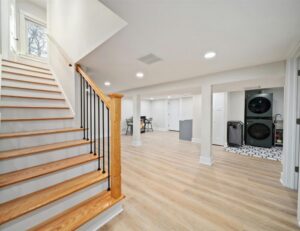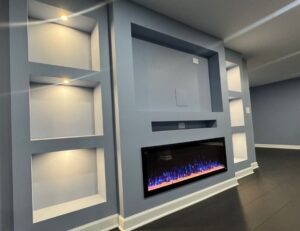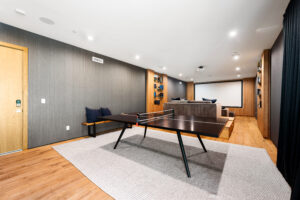
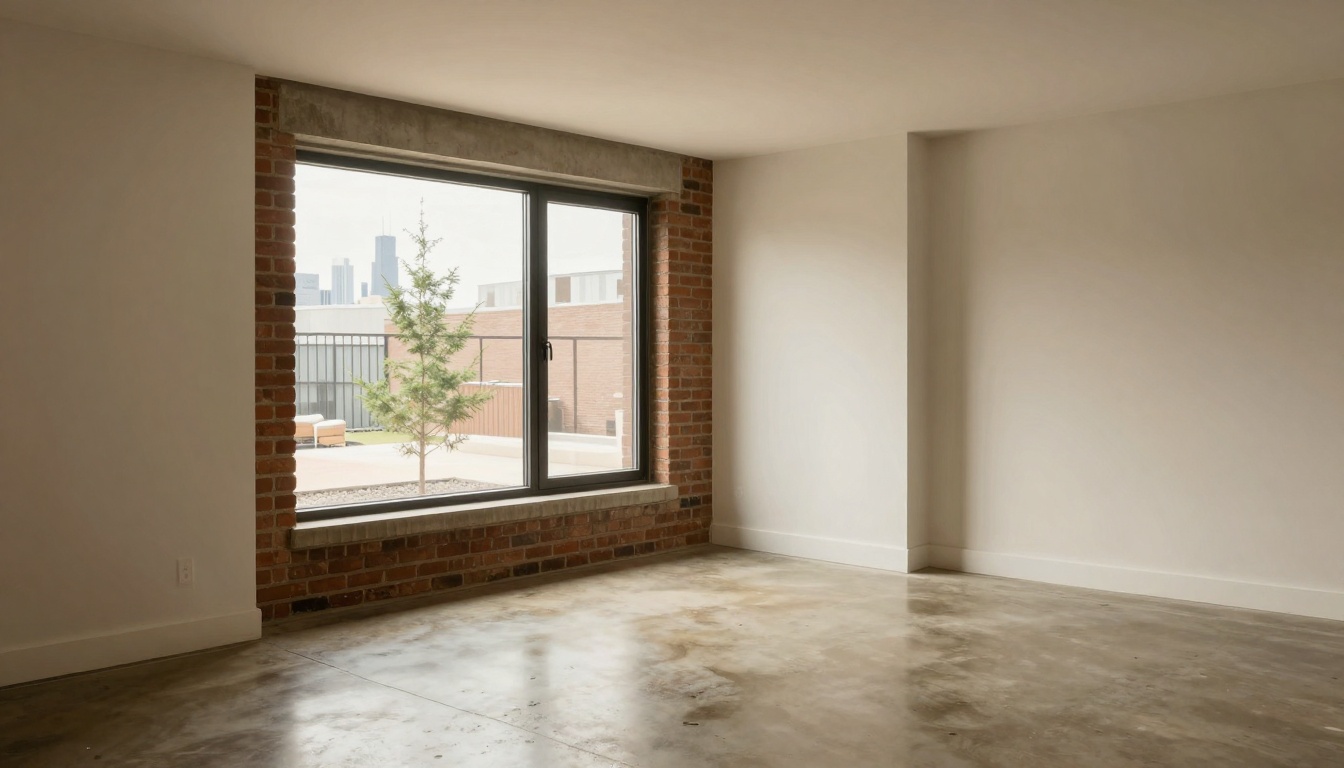
If your basement feels like a cave, you’re not alone. Many Chicagoland homes have small, older basement windows that let in little light and don’t open wide enough to be useful. That’s where a basement egress window can change how the space looks and how safe it is.
But adding one isn’t just a style upgrade. It can affect life-safety, permits, resale value, and your whole basement plan, especially if you’re thinking about a bedroom, guest suite, or a future rental setup.
Below is a practical way to decide if an egress window is a must for your project, or simply a nice upgrade.
What a basement egress window actually does (and why it’s a big deal)
An egress window is designed to be an emergency escape and a rescue entry point. Think of it like a “second door” for a basement room, except it’s a window with a minimum clear opening and access to the outdoors (often through a window well).
Beyond safety, homeowners like egress windows because they:
- Bring in more natural light (finished basements feel less like basements)
- Improve airflow (helpful in humid summers)
- Make rooms feel “real” and not tucked away underground
- Support legal bedroom layouts, which can boost value
Fire safety agencies stress that an operable window sized for escape can save lives. Illinois also has guidance on egress as a “secondary means of escape” worth skimming before you plan your layout: Secondary Means of Escape Egress Windows (Illinois OSFM).
When an egress window is required vs optional
Not every basement needs a new egress window. The deciding factor is usually how you plan to use the space and what your local code office will approve.
It’s usually a must when:
You’re adding a basement bedroom. In many jurisdictions, every sleeping room needs an emergency escape and rescue opening unless there’s a door directly to the exterior.
You’re converting an unfinished basement into habitable space. This comes up in Basement remodeling projects where a once-storage area becomes a family room, office, or guest zone. Some towns treat habitable basements more strictly than simple rec rooms.
You want permits and inspections to go smoothly. If your plan includes new walls, electrical, plumbing, or HVAC changes, the building department may require egress upgrades before approving the project.
It’s often optional when:
You’re doing basic basement refinishing like painting, new flooring, or better lighting, and you’re not creating a sleeping room.
Your basement already has code-compliant egress. Some homes have large casement windows or a walkout door that already meets escape requirements.
It’s storage or utility space only. If it’s not becoming living space, you may not need to cut in a new opening.
The key is to confirm what your municipality calls “habitable” and how it applies to basements.
Basement egress window code basics to know before design starts
Codes vary by city and suburb, but most building departments borrow from model codes with similar benchmarks. Many inspectors focus on:
Clear opening size and dimensions. The “clear opening” is what you can fit through when the window is open, not the glass size. Many jurisdictions reference minimum clear opening area (often around 5.7 square feet), plus minimum height and width.
Sill height from the finished floor. A common limit is a sill no more than about 44 inches above the floor, so a person can climb out.
Window well requirements (if below grade). Wells often need enough floor space for a person to climb out and for a firefighter to climb in. If the well is deep, many codes require a permanently attached ladder or steps (often triggered when depth is around 44 inches or more).
No special tools. The window must open from the inside without keys or tools.
If you’re in the City of Chicago, it can help to review how the city frames egress concepts in its adopted code resources: Chicago Building Code, Chapter 10 Means of Egress.
Permits, inspections, and planning in the Chicago suburbs
An egress window install is not just “swap a window.” It often involves concrete cutting, excavation, and structural detailing. Most suburbs require permits for that scope, and many require an inspection after the opening is framed and before finishes cover it up.
A smart plan includes:
- Checking property line and easement limits (window wells can trigger clearance issues)
- Calling 811 before digging (utilities and buried lines are real risks)
- Confirming drainage approach, especially in heavy clay soils common in parts of the suburbs
- Coordinating waterproofing and insulation details with your basement finishing plan
If you’re mapping out a full project, it helps to work with a team that handles basements start-to-finish. You can learn more about that approach here: Meet the Basement 2 Finish Team.
Realistic cost ranges for adding a basement egress window
Pricing depends on the foundation type, how deep you need to dig, and how hard it is to manage water around the new opening. In Chicagoland, you can expect a wide range.
Here’s a practical snapshot of common budget tiers:
| Project level | Typical scope | Common price range (USD) |
|---|---|---|
| Basic install | Cut opening, install window, simple well | $3,500 to $6,500 |
| Mid-range | Larger well, upgraded window, added drainage work | $6,500 to $10,000 |
| Complex | Deep dig, tough access, structural upgrades, major drainage tie-in | $10,000+ |
Cost usually climbs when:
- Access is tight (decks, stoops, or landscaping in the way)
- The foundation is thicker or reinforced
- You need a deeper well and a ladder/steps
- Drainage needs a more robust solution
Common basement egress window mistakes (and how to avoid them)
A great-looking window can still become a leak point if the details are wrong. These are the issues that trip homeowners up most often:
Poor drainage in the window well: A window well can act like a bucket during heavy rain. If there’s no drain, or the drain can’t move water away fast enough, water builds up and finds the weak spot.
Wrong well depth or missing ladder/steps: If your well ends up too deep without the required climbing aid, you can fail inspection and lose the whole point of “escape.”
Waterproofing gaps around the cut opening: Concrete cutting and framing create joints that need proper sealing and water management. This is where “it looks fine” can turn into a damp wall a month later.
Setting the window too high: A sill that’s too high can mean the window doesn’t qualify as egress, even if it’s a big window.
Forgetting the interior plan: During basement finishing, new walls, trim, or built-ins can block access to the window. Egress has to stay usable.
If your basement already has moisture concerns, pair the window plan with waterproofing decisions so you’re not finishing first and fixing water later.
A simple decision framework for your basement project
Use this as a quick gut-check before you commit to cutting concrete:
Add an egress window now if you plan a bedroom, guest suite, or any layout that you want permitted and future-proof.
Consider adding one if you want more daylight, better resale appeal, or you’re tired of a basement that feels closed in.
Hold off if the basement will stay unfinished storage, or you’re not changing how the space is used (and your local code office agrees).
One practical tip: if you’re already budgeting for a full Basement remodeling project, adding egress during the build is usually simpler than doing it after drywall, flooring, and built-ins go in.
When you’re ready to talk through options and cost ranges for your home, start here: Schedule Your Free Basement Estimate.
FAQ: Basement egress windows
Do I need an egress window for a basement bedroom?
Often, yes. Many building departments require egress for sleeping rooms unless there’s a direct exterior door. Always confirm with your local code office.
Can I use a sliding window for egress?
Sometimes, but sliding windows often struggle to meet the required clear opening because half the window stays blocked. Casement windows are commonly used because they open wider.
Do window well covers affect egress?
They can. Many covers are allowed only if they open easily from inside without tools and don’t reduce required opening space. Ask your inspector before you pick a style.
Conclusion: Safety first, then comfort, then value
Adding a basement egress window is one of the few upgrades that improves safety, makes the space brighter, and supports a more flexible floor plan. It’s often required for bedrooms, and it’s a strong option when you want your basement finishing project to feel like true living space.
Disclaimer: Egress requirements, permits, and inspection rules vary by municipality, and every home has different soil, drainage, and foundation conditions. Confirm details with your local building department and a qualified contractor before starting work.